



Login
Engaging Groups 8 Jul 25 0 Comments

5 Proven Methods to Calm Rowdy Groups

By
Experiential Trainer, Author & Speaker

Have you ever found yourself facing a group – teenagers, adults, or a mix – that’s just bouncing off the walls after a brain break or high-energy activity?

You’re not alone.

Whether it’s a classroom, camp, corporate training, or workshop, knowing how to calm a group down quickly and effectively is one of the most valuable facilitation skills you can develop.

In this post, I’ll share five of my go-to strategies that help refocus the energy of a group and bring them back to a place of calm, ready for what’s next.
Why We Need to Calm a Group

Before jumping into the strategies, let’s talk about why we sometimes need to calm a group down in the first place.

Maybe the next activity or discussion requires a quieter, more reflective mindset.

Or perhaps it’s a safety concern – too much energy in the room could result in emotional, physical, or mental risk.

And sometimes, you simply need their attention to continue your program effectively.

Whatever the reason, calming the group down is about shifting their focus in a gentle but intentional way.

5 x Simple Strategies to Calm an Energetic Group

1. Raising Your Hand

This one’s an oldie but a goodie. I learnt it at summer camp – both as a camper and a leader – and it still works like a charm today.

When I raise my hand, I don’t say a word. The rule is simple – when the hand goes up, the mouth goes shut.

I also ask others to raise their hand when they see mine go up.

Soon, one hand becomes two, four, eight – and within seconds, the group’s attention begins to return to me.

I just wait it out.

It’s their time being used, and if even a small part of the group joins in, it helps bring back a sense of calm and focus.

2. Claps

Here’s another brilliant non-verbal technique that I call Copy Claps.

I might start with a unique clap – one, two, one-two-three – and whoever hears it is encouraged to copy it. The sound and rhythm capture attention, and bit by bit, the rest of the group joins in.

There’s also the classic, “If you can hear me, clap twice,” which I tend to use more with young people than adults.

And then there’s a fun version I love—the Clapping Game.

I move my hands in front of me, and every time they cross, the group must clap once.

I start slow and then change the rhythm to keep them engaged.

It works beautifully to redirect energy and get people tuned back in.

3. Silent Applause

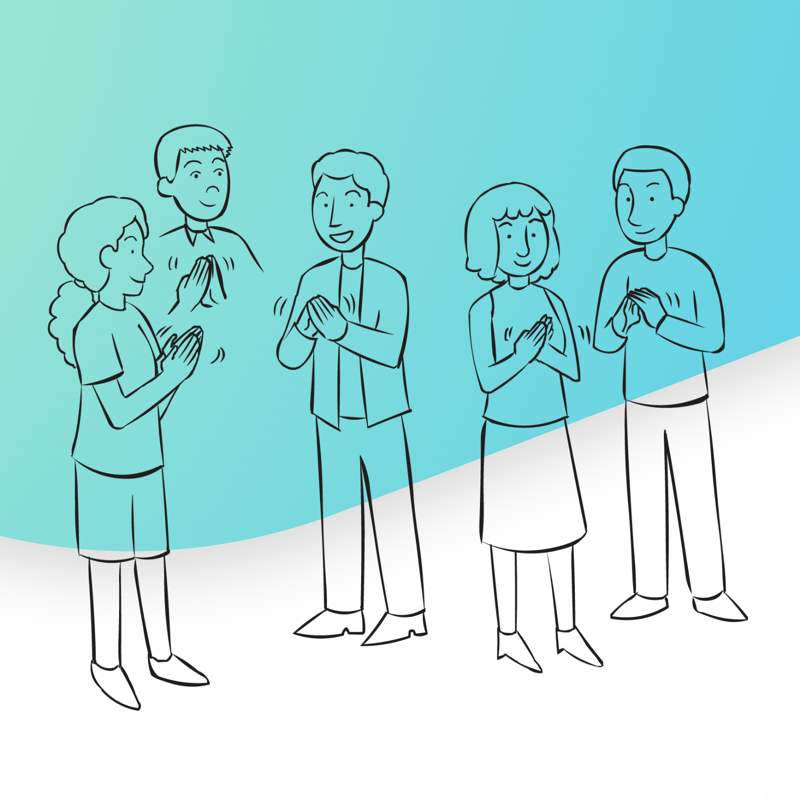
When I learnt Auslan (Australian Sign Language,) I picked up a fantastic strategy.

Audience applause in Auslan is represented by both hands raised and shimmering.

It’s visual, quiet, and powerful. I use it in huge auditoriums and small groups alike.

As with some of these other strategies, when people see this sign, they are invited to give silent applause. Gradually, as more and more people tune in to what’s going on, calm returns to my space.

In addition to drawing attention in a calm and respectful way, this simple technique brings visual unity to the room (which you can never have too much of.)

4. Back-to-Back

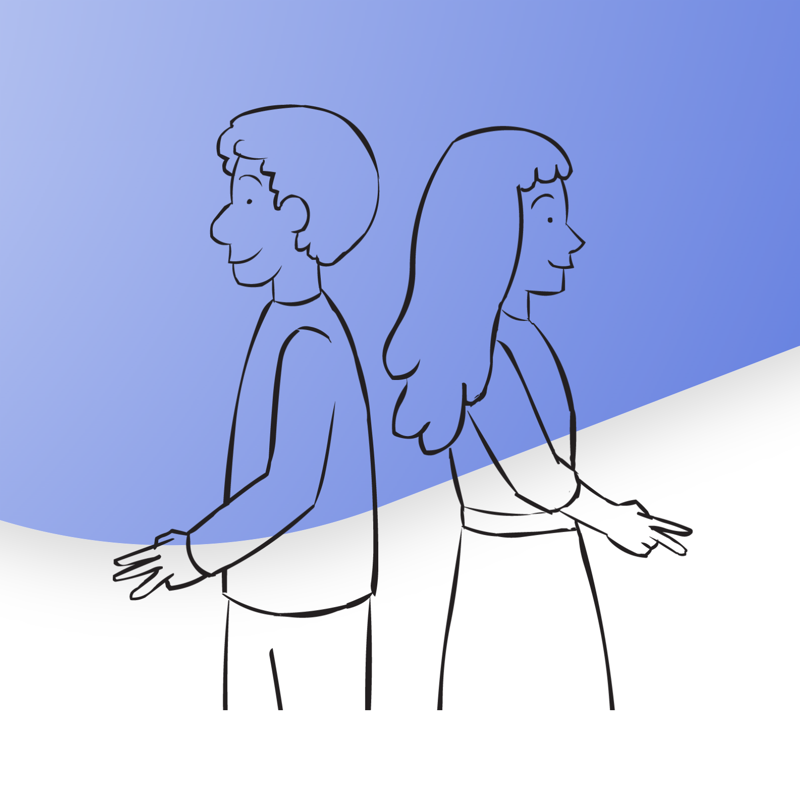
This one might be my favourite strategy. I call it Back to Back.

It works as simply as this: I invite everyone to find a partner and stand back-to-back.

Just the act of facing away from each other dramatically reduces chatter. It’s like magic.

From there, I might build it into a quick game, such as “Think of a number, turn around, add them together and then jump up and down that number of times together” – or something more reflective.

But the shift in body position alone helps calm the group and makes them curious about what’s next.

It’s a beautiful transition technique.


5. Use a Transition Activity

Sometimes, calming a group isn’t about silence – it’s about a smoother bridge between high energy and the next task.

That’s where a light transition activity comes in. Something like Gotcha or Paradigm Shift – two quick, fun games that still involve energy but guide it gently toward focus.

They’re perfect for dissipating extra energy and helping you move on without an abrupt shift in mood or tone.

Bonus Resources

If you found these ideas helpful, here are some recent videos and articles I think you’ll also enjoy:

3 Brilliant Ways to Stop Cliques Forming in Groups


What is a Quick & Fun Energiser for a Large Group?


How to Get Your Group's Attention Without Shouting

Final Thoughts

So, which one will you try first?

Maybe you’re already familiar with one or two of these strategies – or maybe one stood out as something new to add to your facilitation toolbox.

The next time your group is bouncing off the walls, remember: the key is to shift their focus.

Bring their attention back to you so you can smoothly continue your program.

Thanks so much for reading.

As always, have fun out there.

PREVIOUS POST NEXT POST

Original post July 2025, last updated July 2025.

By - Experiential Trainer, Author & Speaker

No Comments

Comments are closed.

No Props book

No Props? No Problem!

Get 150+ no-prop games & activities + exclusive 30-day free trial of playmeo. Scan QR codes to view activity videos, leadership tips, etc.

Buy Now

Buy EMOJI Cards

EMOJI Feeling Cards

50+ cards that portray a range of emotions from happy, sad, angry & confused. Ideal for building emotional literacy skills.

Buy Now

Your Cart
Secret Link