Login
Debriefing Tips 16 Sep 25 0 Comments

Stop Guessing Whether You Should Debrief (or Not)

By
Experiential Trainer, Author & Speaker

How Do I Know If I Need to Debrief?


One of the most common questions I hear from facilitators around the world is this…

How do I really know if I need to debrief my group’s experience?

If you’ve ever worried about this, you’re not alone.

In this blog post, I’ll share three powerful frameworks to help you decide with confidence when a debrief is worth your time.

The Four Common Fears About Debriefing

Looking back over my own career, I can see that my uncertainty around debriefing usually boiled down to four fears:

  1. It will waste time – and I don’t want to look unproductive.
  2. It will kill the vibe – stopping the talk when energy is high.
  3. It may not feel relevant – and I’ll lose my group’s attention.
  4. I don’t have the skills – to pull off a good debrief.

Do any of those resonate with you?

If so, you’re in the right place.

Let’s explore three frameworks that will remove the uncertainty and help you know when to step in with reflection.

Three Powerful Frameworks to Help You Decide When to Debrief

#1: Education or Recreation?

The first lens is simple: Are you leading an education or a recreation?

Recreation is about fun, connection, and sharing. It doesn’t always involve growth or development, though participants may take away their own learning.

In this case, debriefing isn’t usually necessary – unless antisocial behaviour should rear its ugly head.

Experiential education, by definition, includes reflection.

If your program is designed for learning and growth, then yes – you (may) need to debrief.


#2: What Difference Are You Trying to Make?

The second lens is about intent.

Ask yourself: What difference is my program designed to make?

If your goal is to build communication skills, for example, then any activity linked to communication probably deserves a debrief.

But sometimes other issues emerge – such as gender dynamics—that may not be part of your original objectives.

So, do you debrief those, too?

That’s where the third framework comes in.


#3: Is It Significant?

Regardless of your goals, if something significant emerges, it’s worth taking the time to debrief.

Significance can override other considerations because it directly affects the health, energy, or progress of your group. Basically, if the issue is significant, YES – you should process it.

If it’s not significant, let it go. No need to “beat a dead horse.”

This lens is the ultimate safety net.

When in doubt, ask: Is it significant for this group right now?

Putting It All Together

Here’s a quick recap of the three lenses that will walk you through a simple process to determine if you should or need to debrief your group’s experience:

  1. Education or Recreation? If your program is all about growth, learning or development, then reflection may be essential. Otherwise, no.
  2. What Difference? If the potential growth learning or development aligns with the difference your program intends to make, then, again, Yes, you may be called to debrief it.
  3. Significance. Finally, if it matters to your group, process it – even if it wasn’t part of the plan.

Using these frameworks will give you clarity the next time you find yourself wondering, Should I debrief this experience?

Bonus Resources

If you found these ideas helpful, here are some recent videos and articles I think you’ll also enjoy:

How Long Should a Debrief Be?


How Do I Make Debriefs Fun & Engaging?


What Are Some Debrief Questions?

Final Thoughts

Debriefing doesn’t have to be intimidating, and it certainly isn’t a one-size-fits-all process.

By considering whether your session is educational or recreational, reflecting on the difference you’re trying to make, and asking if the issue at hand is truly significant, you’ll know exactly when it’s worth diving deeper.

With practice, these decisions become easier, and your facilitation skills will grow stronger, helping your groups achieve more meaningful outcomes.

PREVIOUS POST NEXT POST

Original post September 2025, last updated September 2025.

By - Experiential Trainer, Author & Speaker

No Comments

Comments are closed.

No Props book

No Props? No Problem!

Get 150+ no-prop games & activities + exclusive 30-day free trial of playmeo. Scan QR codes to view activity videos, leadership tips, etc.

Buy Now

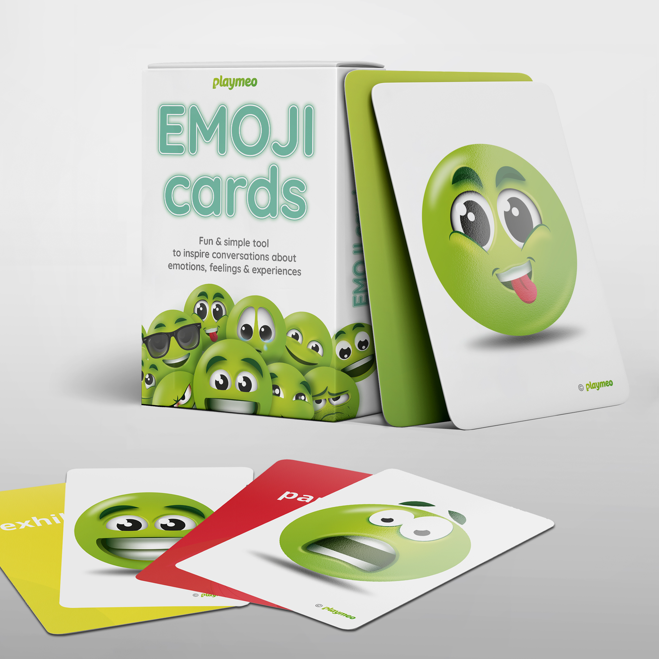
Buy EMOJI Cards

EMOJI Feeling Cards

50+ cards that portray a range of emotions from happy, sad, angry & confused. Ideal for building emotional literacy skills.

Buy Now

Your Cart
Secret Link