




Ice-Breakers
free
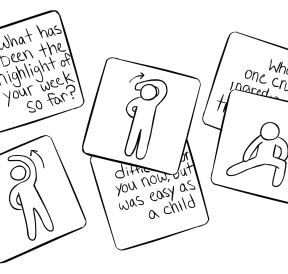
We Connect Cards
Set of question cards to inspire meaningful conversations.
free
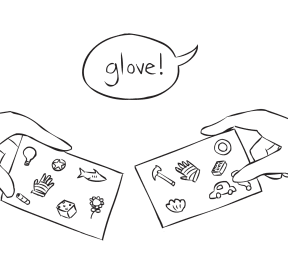
UBUNTU Cards
Innovative tool that inspires valuable sharing & fun.
Free eBook:
Top Ten Icebreakers & Group Games
Top Ten Icebreakers & Group Games
Download our free 28-page ebook jam-packed with outrageously fun activity ideas.
Just one more question:
I am interested in…
"*" indicates required fields
Choose a plan that’s right for you
We offer a range of membership plans with no surprises.
Click an option below & discover our simple pricing.

Individual
Click here if you’re a:
- Teacher
- Corporate trainer
- Outdoor educator
- Camp leader
- Youth leader
- Conference organiser
- Therapist/counsellor
Membership Plans

Enterprise
Click here if you represent a:
- School
- Corporation
- Community-based Organisation
Explore plans for
10, 50, 200 or more
potential users
Membership Plans